Pros and Cons of Travertine Countertops: Is It the Right Choice?
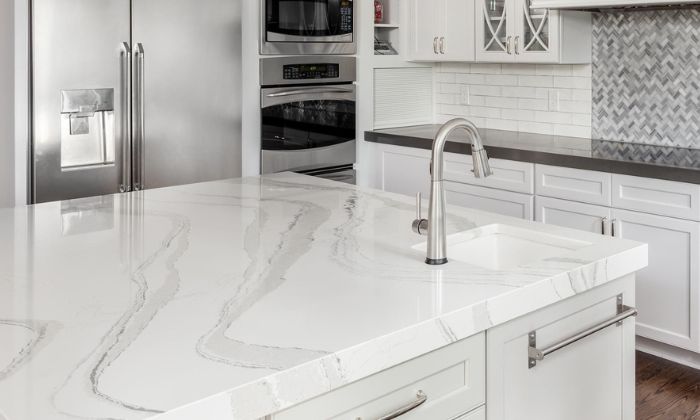
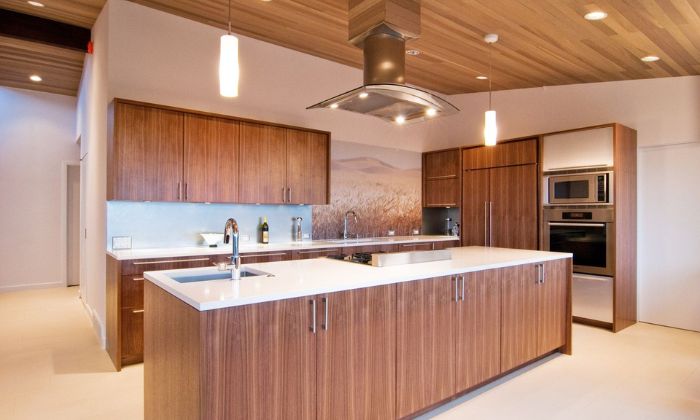
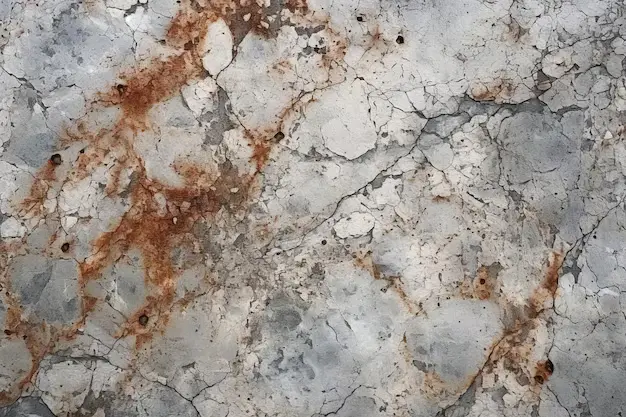
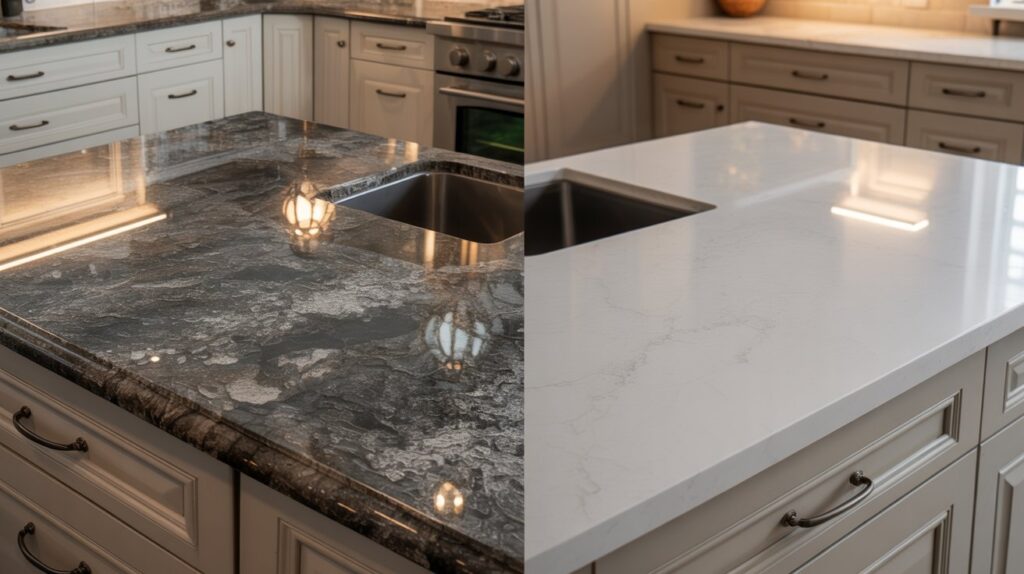
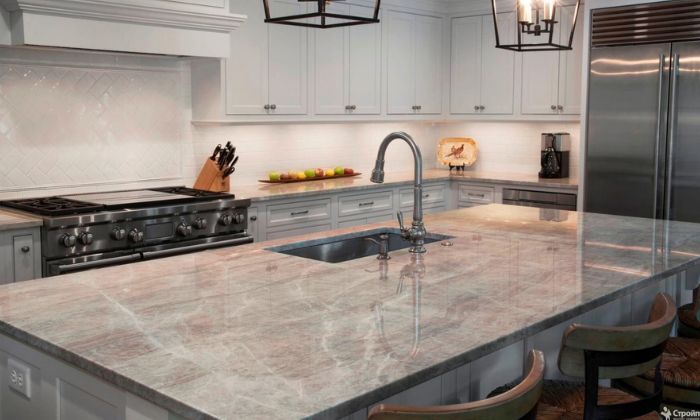
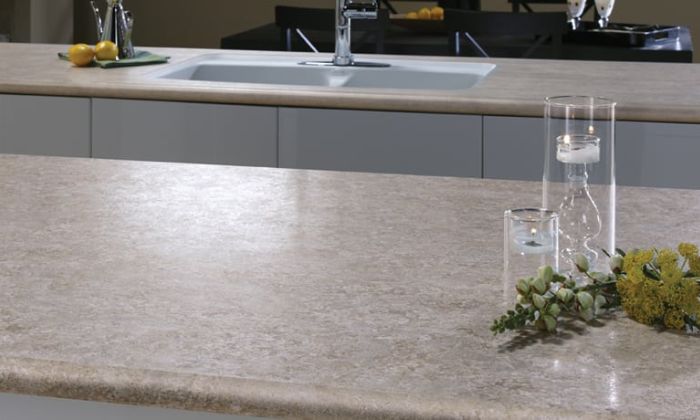
When we discuss the countertop options, there are different varieties of materials that come to our mind. Such as granite, marble or quartz countertops, well these materials are also top-rated materials. These are also useful in kitchen and bathroom designs and great choices for their natural beauty and classic charm. Travertine is not much popular like these materials but it is a best alternative of these materials due to its aesthetic appeal and versatility. It is also available in different colors like walnut, coral, ivory, gold silver, cream and beige. Travertine is a great option for kitchen countertops and bathroom countertops. That’s why it is a well known choice for many homeowners and interior designers. In this article, we’ll discuss the pros and cons of travertine countertops and why you should choose it for your countertop. What Is Travertine? Travertine is a type of natural stone that forms in mineral-rich hot springs and limestone caves. It’s a type of limestone but has a unique texture and appearance due to its formation process. This stone has been used for thousands of years in architecture and design, from ancient Roman structures to modern-day homes. Its warm, earthy tones and varied patterns make it a popular choice for countertops, flooring, and other interior applications. Travertine Countertop Pros and Cons When considering travertine countertops, it’s important to weigh the pros and cons. Below, we’ll break down the key advantages and disadvantages to help you decide if this natural stone is right for you. Pros Aesthetic Appeal Travertine countertops are popular for their remarkable aesthetic appeal, featuring natural veining and color variations that give a luxurious, timeless look. Available in shades like ivory, beige, gold, and silver, travertine complements various interior styles, whether rustic or contemporary. Each slab is unique, ensuring that your countertop has a distinct, one-of-a-kind appearance. This natural beauty adds elegance to any kitchen or bathroom, making travertine a preferred choice for homeowners seeking a sophisticated and stylish space. Durability Travertine is a durable natural stone suitable for kitchen and bathroom countertops. Although not as hard as granite, it provides a strong, resilient surface for daily use. Its heat resistance is a major advantage, allowing hot pots and pans to be placed directly on the countertop without causing damage. This durability makes travertine a practical and long-lasting choice for countertops in high-use areas. Versatility Travertine is a highly versatile stone with many practical uses. It enhances both aesthetic appeal and functionality in a home. Ideal for kitchen and bathroom countertops, it also suits outdoor spaces, offering durability and style. Travertine tiles are perfect for backsplashes and flooring, helping to create a unified look. Its adaptability makes it a popular choice for homeowners looking to design cohesive interiors and exteriors. Eco-Friendly Option Travertine is an eco-friendly choice for countertops due to its natural origins. Unlike synthetic materials, it is extracted and produced with a lower environmental impact. The natural stone is biodegradable, meaning it won’t contribute to landfill waste. By choosing travertine, you’re opting for a sustainable material that reduces your carbon footprint. Its minimal environmental impact during production and disposal makes it a responsible choice for eco-conscious consumers. For those seeking a green option in their kitchen, travertine offers both aesthetic appeal and sustainability. Cons Porosity One of the biggest drawbacks of travertine countertops is their porosity. Travertine is a highly porous stone, meaning it can absorb liquids and stains easily if not properly sealed. Acidic substances like vinegar, wine, and citrus juices can cause etching or discoloration if they come into contact with the stone. Regular sealing and prompt cleaning are essential to maintain the countertop’s appearance and prevent damage. Softness Travertine is softer than other natural stone countertops, such as granite and marble. This softness makes it more susceptible to scratches, chips, and dents, especially in high-traffic areas like kitchens. While its durability is still commendable, it’s important to be mindful of this characteristic when choosing travertine slabs for countertops. Cost Considerations Travertine can be more expensive than other countertop materials, depending on the quality and source of the stone. The cost per square foot can vary, but generally, travertine falls into the mid to high price range. Additionally, the cost of installing travertine countertops can add to the overall expense, especially if you require professional installation to ensure a perfect fit. Travertine Countertops in Home Design Travertine can enhance various areas of your home, bringing a touch of natural elegance to your spaces. Let’s explore how travertine can be used in different applications. Kitchen Applications Travertine kitchen countertops add warmth and character to kitchens with their natural patterns and colors. They pair well with various cabinetry styles, offering versatile design options. However, travertine is porous and soft, requiring regular sealing and careful maintenance. Avoid direct contact with acidic substances to prevent damage, as they can stain or etch the surface. Proper care ensures that travertine countertops remain beautiful and functional for years to come. Bathroom Applications Travertine countertops are ideal for bathrooms, offering a warm, spa-like feel. Their heat-resistant nature makes them suitable for bathroom use. However, to maintain their appearance, it’s essential to keep the surface sealed, protecting it from damage caused by cosmetics or cleaning products. Proper sealing ensures the stone remains durable and resistant to stains or etching, preserving its beauty over time. Just as in the kitchen, regular maintenance is key to keeping countertops in top condition in the bathroom. Outdoor Applications Travertine is a popular choice for outdoor spaces like kitchens, patios, and bars due to its natural beauty and durability. Its elegant appearance compliments outdoor settings, creating a seamless blend with nature. However, travertine’s porous nature requires a regular ceiling to protect it from weathering and staining. Without proper maintenance, the stone may absorb moisture and dirt, leading to potential damage. Despite this, its timeless appeal and ability to withstand outdoor conditions make it a favored option for enhancing outdoor living areas. Should I Choose Travertine for My
Pros and Cons of Travertine Countertops: Is It the Right Choice? Read More »