Paver Sealing | The Ultimate Guide to Protecting Your Outdoor Surfaces
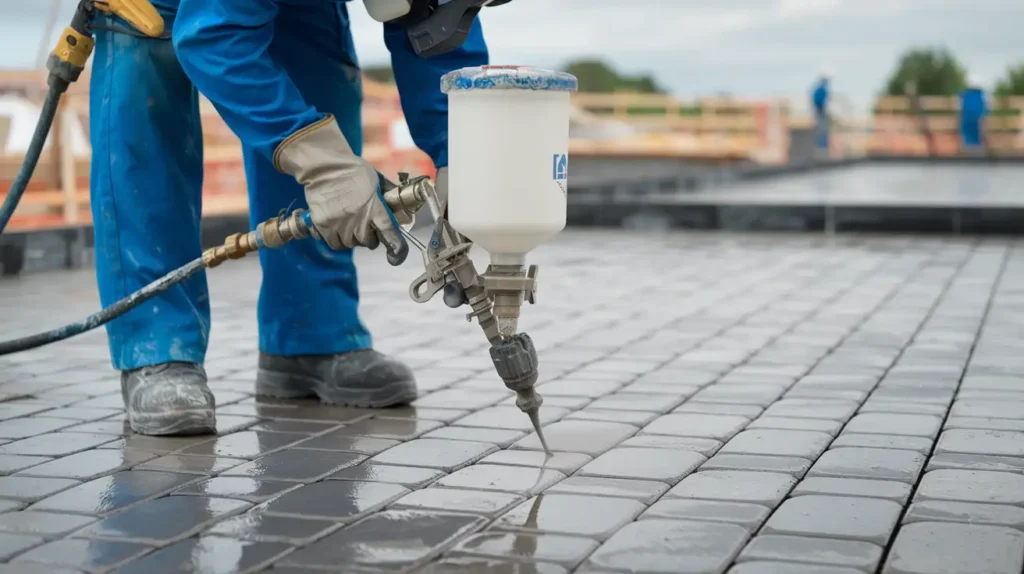
Paver sealing is a transformative process that not only enhances the beauty of your outdoor surfaces but also safeguards them against wear and tear caused by weather, foot traffic, and time. By applying a protective sealant, you create a barrier that prevents moisture penetration, fading, and staining, keeping your pavers looking vibrant and new for years to come. Whether you have a driveway, patio, or walkway, sealing adds a polished finish that elevates the overall curb appeal of your property. For homeowners considering paver sealing, many questions naturally arise: Should you seal your pavers? What’s the best method to achieve professional results? Are certain finishes more durable than others? Addressing these concerns is key to understanding how to maximize the longevity and beauty of your pavers. With the right approach and timing, sealing is a straightforward way to protect your investment and enjoy stunning, low-maintenance outdoor spaces. Paver Sealing – How To Seal Pavers Sealing pavers is an essential step to enhance their appearance, durability, and protection against the elements. Here’s a step-by-step guide to sealing pavers effectively, along with the tools and preparation required. Step 1: Gather Tools and Materials Before starting, ensure you have the following items: Tools and Materials Purpose Pressure washer Cleaning the surface thoroughly Paver sealant Protecting and enhancing the pavers Paint roller or sprayer Applying the sealant evenly Broom and dustpan Clearing debris and dirt Sand (if needed) Filling gaps between pavers Protective gloves and mask Ensuring safety during the process Step 2: Clean the Pavers Thoroughly Use a pressure washer or hose to remove dirt, grime, and algae from the surface. Sweep the area with a broom to clear any remaining debris. Allowing the pavers to dry completely this step is crucial for proper sealant adhesion. Step 3: Repair Any Damages Inspect the pavers for cracks, chips, or loose pieces. Replace damaged pavers and re-level uneven ones. Fill gaps between pavers with sand to ensure a smooth, uniform finish. Step 4: Choose the Right Sealant Select a sealant designed for your paver material (brick, concrete, etc.). Decide on the finish lossy, matte, or natural based on your aesthetic preferences and protection needs. Step 5: Apply the Sealant Using a paint roller or sprayer, apply the sealant evenly across the surface. Start from one corner and work systematically to avoid overlapping or missed spots. Allow the first coat to dry completely before applying a second coat for enhanced protection. Step 6: Let It Cure Follow the manufacturer’s instructions for curing time. Avoid walking or driving on the surface until the sealant is fully set. Proper preparation and execution are the keys to a successful paver sealing project. With attention to detail, you can achieve a professional-grade finish that protects and beautifies your outdoor spaces. Should You Seal Your Pavers? Sealing your pavers is an investment in the longevity and beauty of your outdoor spaces. Whether for a residential driveway or a commercial patio, sealing offers numerous benefits that protect your surfaces while enhancing their appeal. Here’s a closer look at the pros and cons, key factors to consider, and how sealing improves durability and aesthetics. The Pros of Sealing Pavers Enhanced Protection: Paver Sealing creates a barrier against moisture, stains, and UV rays, ensuring your pavers stay vibrant and resistant to damage from the elements. Improved Appearance: A quality sealant brings out the natural color and texture of pavers, giving them a polished, professional look that elevates the overall appeal of your property. Weed and Mold Prevention: Sealing helps prevent weeds from growing between pavers and inhibits the growth of mold and algae on the surface. Easier Maintenance: Sealed pavers are easier to clean and maintain, as the sealant prevents dirt and grime from penetrating the surface. The Cons of Sealing Pavers Initial Cost: Paver Sealing requires an upfront investment, but the long-term benefits far outweigh the costs. Reapplication Required: Sealants need to be reapplied every few years to maintain their effectiveness, depending on traffic and environmental conditions. Proper Timing and Execution: Sealing requires the right weather and preparation, which may pose challenges if not done correctly. Factors to Consider Before Sealing Location and Use: High-traffic areas like driveways and commercial patios benefit greatly from sealing due to increased wear and tear. Weather Conditions: Choose dry, mild weather for sealing to ensure proper adhesion and curing. Humid or rainy conditions can interfere with the process. Paver Material: Different materials, such as brick or concrete, may require specific sealants and techniques for optimal results. How Sealing Enhances Durability and Appearance Durability: Paver Sealing strengthens the surface by reducing the impact of weather, heavy loads, and daily use. This minimizes the risk of cracking, fading, and erosion over time. Appearance: A sealed surface looks vibrant, clean, and well-maintained. For commercial properties, this boosts curb appeal and leaves a positive impression on clients and visitors. At Stone Sealer Restoration, we understand the importance of maintaining beautiful and long-lasting pavers. Our sealing services are designed to protect your investment while showcasing the natural elegance of your outdoor spaces. Ready to transform your pavers? Contact us today to learn more! Get A Quote Brick Paver Sealing: Special Considerations Brick pavers are a timeless choice for driveways, patios, and walkways, offering classic beauty and durability. However, sealing brick pavers comes with unique challenges and considerations that differ from other types of pavers. By using the right approach and types of sealers, you can effectively protect and enhance the longevity of your brick surfaces. Unique Characteristics of Brick Pavers Porous Surface: Brick pavers are naturally porous, which means they absorb moisture more readily than other materials like concrete. Without proper sealing, this can lead to discoloration, moss growth, and structural weakening over time. Rustic Appearance: Brick pavers often feature a textured, uneven surface, adding charm to outdoor spaces. However, their unevenness can trap dirt and debris, making cleaning more challenging if they are not sealed. Material Fragility: Although durable, bricks can be more prone to chipping and cracking compared
Paver Sealing | The Ultimate Guide to Protecting Your Outdoor Surfaces Read More »