What Does Etching On Marble Look Like
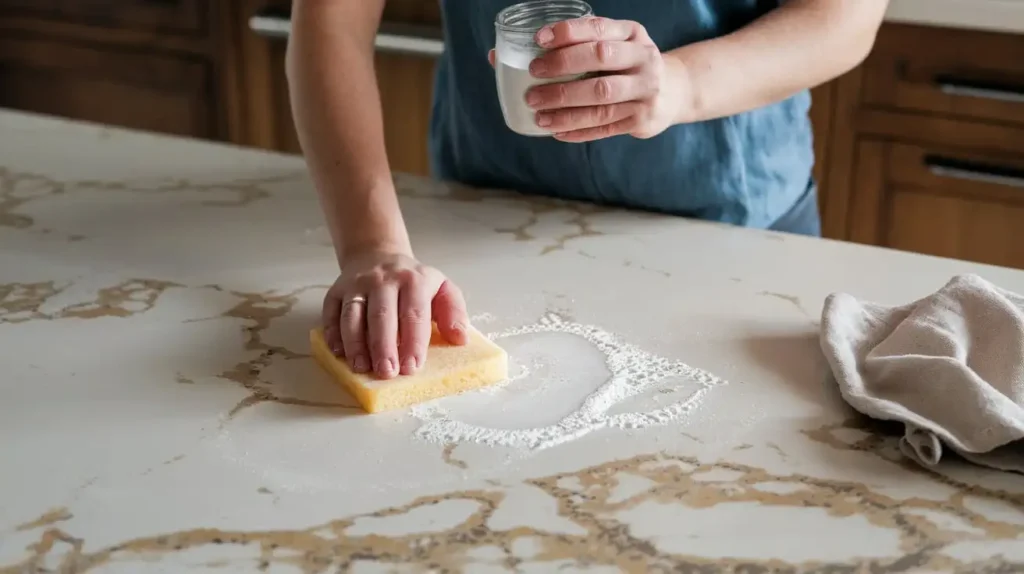
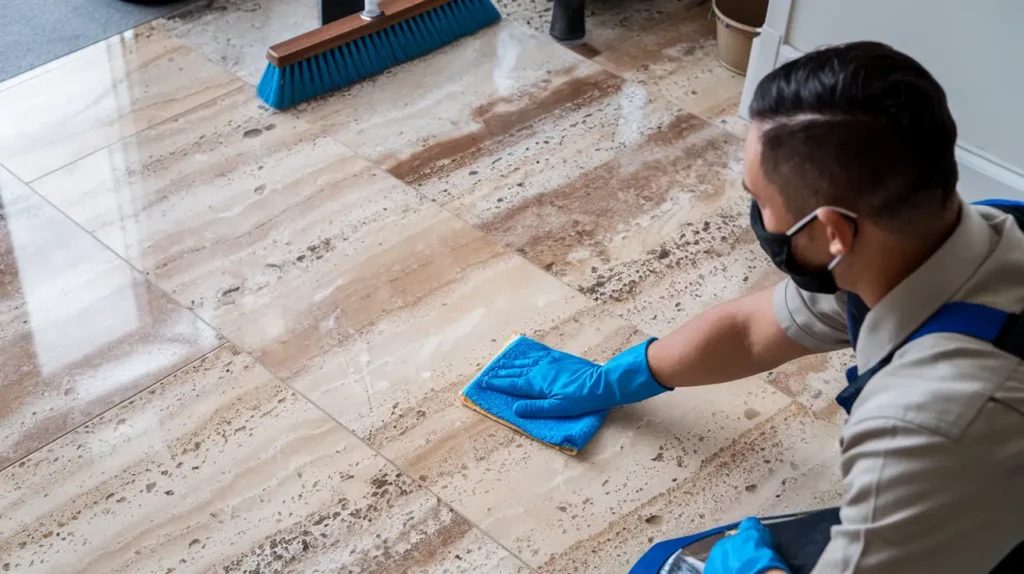
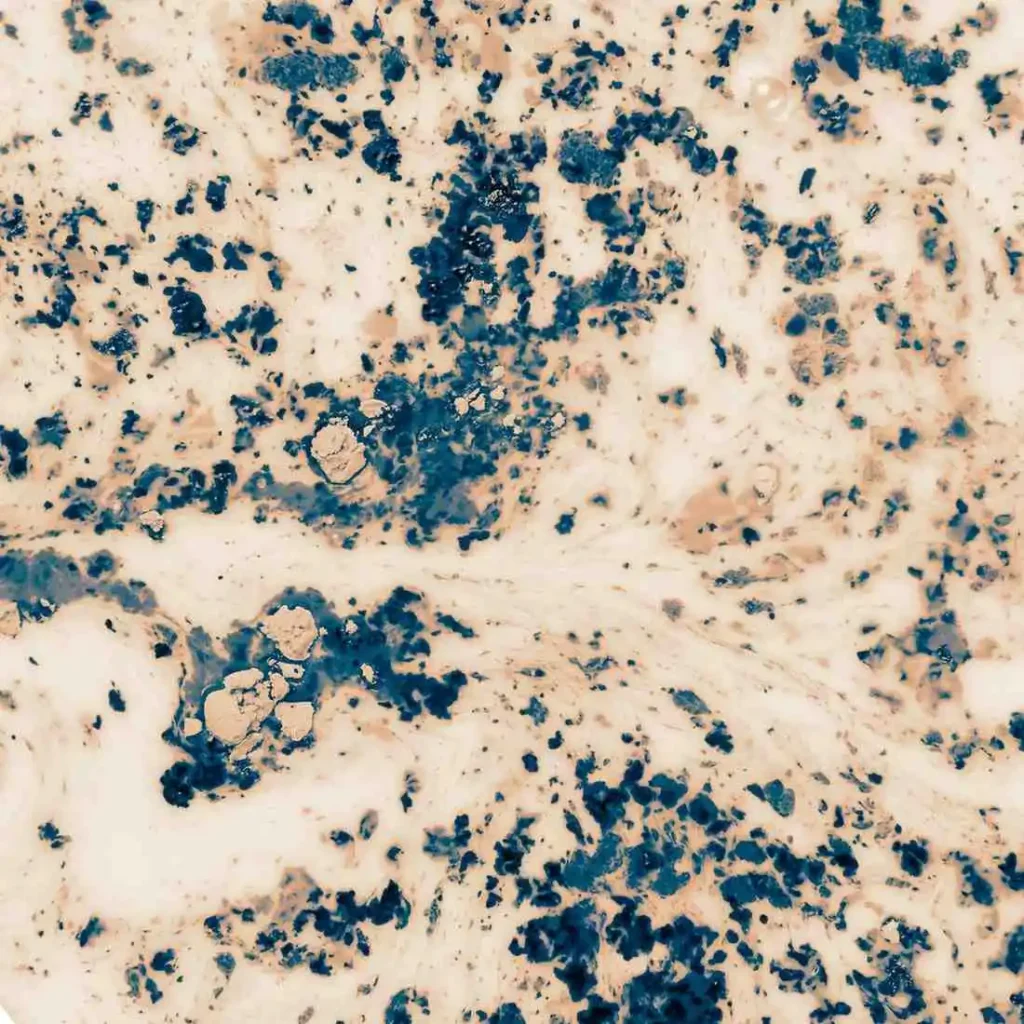
Marble may look strong and timeless, yet its appearance can change quickly when exposed to an outside substance. Homeowners might notice dull spots or cloudy patches on their stone surfaces and begin asking, What Does Etching On Marble Look Like? generally as an attempt to understand whether surface issues indicate real stone damage that requires repair or simply minor surface wear-and-tear issues that need attention immediately. At Stone Sealer Restoration, homeowners often have questions regarding how marble countertops react to common products and foods. Our guide below describes etching symptoms; why it occurs; its physical manifestation, as well as ways of verifying whether any marks you see on your countertop represent true marble etching or something else entirely. Understanding What Marble Etching Really Is Marble is a natural stone composed mostly of calcium carbonate that reacts with acids when exposed to them; when an acid touches marble’s surface, it causes a chemical change on its surface and results in its chemical etching process. Etching does not eliminate color; rather, it alters texture so light no longer reflects evenly, creating dull marks or spots of uneven iridescence that form dull spots on stone surfaces. As opposed to staining, which darkens stone with color enhancement, Etching lightens stone by breaking down its polished finish, thereby lightening stone significantly more than staining does. Why Does Etching Happen So Quickly Numerous common products contain mild acids. These include: Lemon juice Vinegar Wine Soda Tomato sauce Some cleaning products Even brief contact with some cleaning products can leave permanent etch marks on polished stone surfaces, prompting homeowners to ask What Does Etching On Marble Look Like, often because marble countertops in kitchens and bathrooms face this risk on an everyday basis from normal usage and household products like cleaners. Polished Vs Honed Marble Reactions The look of etched marble depends on the finish. Polished marble shows etching as cloudy or chalky spots Honed marble shows etching as lighter patches with a rough feel Carrara marble is a common example. Its soft structure and light color make etch marks easy to see. Visual Clues Look out for these signs on your marble countertop or floor: Common Visual Clues Look for these signs on your marble countertop or floor: A dull spot where shine used to be A cloudy ring near sinks or drink areas Light streaks that follow the path of a spill Uneven shine across the surface A faint white mark that will not wipe away These etched marks often appear near sinks, cooktops, or bathroom vanities where daily use is highest. How Light Reveals Etching Etching becomes more visible under certain lighting. Try this test: Turn off overhead lights Use a flashlight or phone light Shine it across the surface at a low angle Most often, stone surfaces do not become significantly altered through wear-and-tear erosion; rather, changes occur only at the surface level. How Etching Feels to the Touch Visual signs tell part of the story. Touch gives more clues. Texture Changes Run your fingers across the suspected area. Polished marble should feel smooth like glass Etched areas often feel slightly rough Severe etching may feel gritty or uneven The stone is not eaten away deeply in most cases. The change happens at the surface level. Why Texture Matters When marble loses its polish, the stone surface develops tiny pits that change how light reflects across it. This is why etched areas look dull compared to nearby polished sections. These small surface changes also explain why some damage is mistaken for scratches, which is covered in more detail through Marble Scratch Repair, where texture differences help identify the true cause. Over time, residue settles into these pits, and repeated exposure allows the affected area to spread and become more noticeable. Etching Vs Staining: How Can One Tell the Difference This is one of the biggest points of confusion. Many people scrub harder, thinking they are removing dirt. Key Differences Use this comparison: Stains darken marble and follow liquid absorption Etching lightens marble and changes the finish Stains often respond to poultices Etching does not improve with cleaning alone If the mark looks lighter and feels rough, you are likely dealing with etched marble. Why Cleaning Does Not Fix Etching If the mark on your cultured marble is light in tone and rough to the touch, chances are it’s been etched. While cleaning products remove surface grime from stone finishes, they do not repair it; some even contain acids or abrasives, which make matters worse. Underuse of natural stone cleaners may cause further dull areas on delicate natural stones to expand further, especially those sensitive to acids like vinegar. Common Areas Where Etching Occurs Certain spots see more marble etching than others: Kitchens in particular often experience increased levels of etching. Kitchens Marble countertop etching is most common in kitchens due to: Food prep with acidic ingredients Drink spills Improper cleaners Water mixed with soap residue Sink rims and prep zones often show the first etched mark. Bathrooms Bathrooms face etching from: Toothpaste Hair products Cleaners Hard water mixed with soaps Vanity tops around faucets often lose shine over time. Floors and Showers Marble floors can show dull paths where foot traffic meets moisture. Showers see etching from soaps and shampoos that alter surface texture. Etching Can Take Effect Quickly People often mistake damage as being something that occurs gradually over time in reality, it happens almost instantaneously. Quick Reactions Lemon juice on polished marble can etch in under one minute. Vinegar reacts even faster. Repeated mild exposure builds up damage that becomes more visible over time. Why You May Not Notice Right Away Fresh etch marks sometimes look like water spots. As the surface dries, the dull spot becomes clear. Over weeks, repeated contact expands the affected area. What Etched Marble Does Not Look Like Knowing what etching is helps, but knowing what it is not also matters. Etching Is Not: A crack A chip A deep hole A dark stain A
What Does Etching On Marble Look Like Read More »