
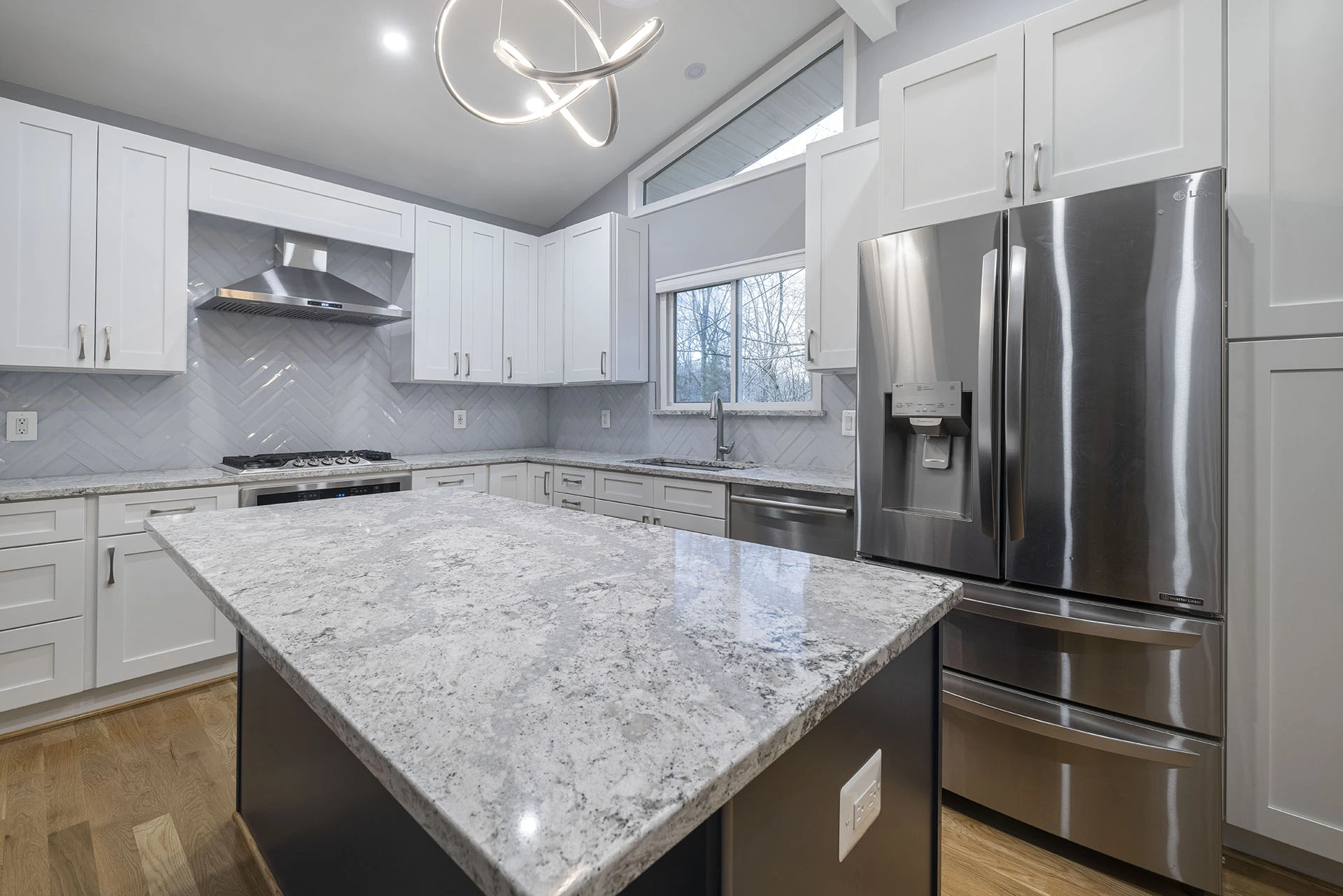

Understanding how heavy are granite countertops are is of utmost importance when planning any kitchen or bathroom renovation, for proper installation and structural support. Granite is one of the densest natural stones used for residential applications and typically weighs 12-18 lbs per sqf for standard 3/4 inch thick slabs, meaning one countertop could easily weigh over 200-300 pounds, necessitating cabinet reinforcement as well as professional installation expertise for proper setup and support.
At Stone Sealer Restoration, we regularly work with homeowners who are surprised by how heavy granite countertops actually are. Homeowners must understand that the weight of granite per cubic foot varies between 160-170 pounds; darker varieties typically weigh even more as their denser mineral composition makes them even heavier than lighter granite varieties. Before any installation commences, we always verify whether your existing cabinet structure can support such substantial weight, since failure could result in sagging cabinets, cabinet damage, or complete structural failure down.
How Heavy Are Granite Countertops?
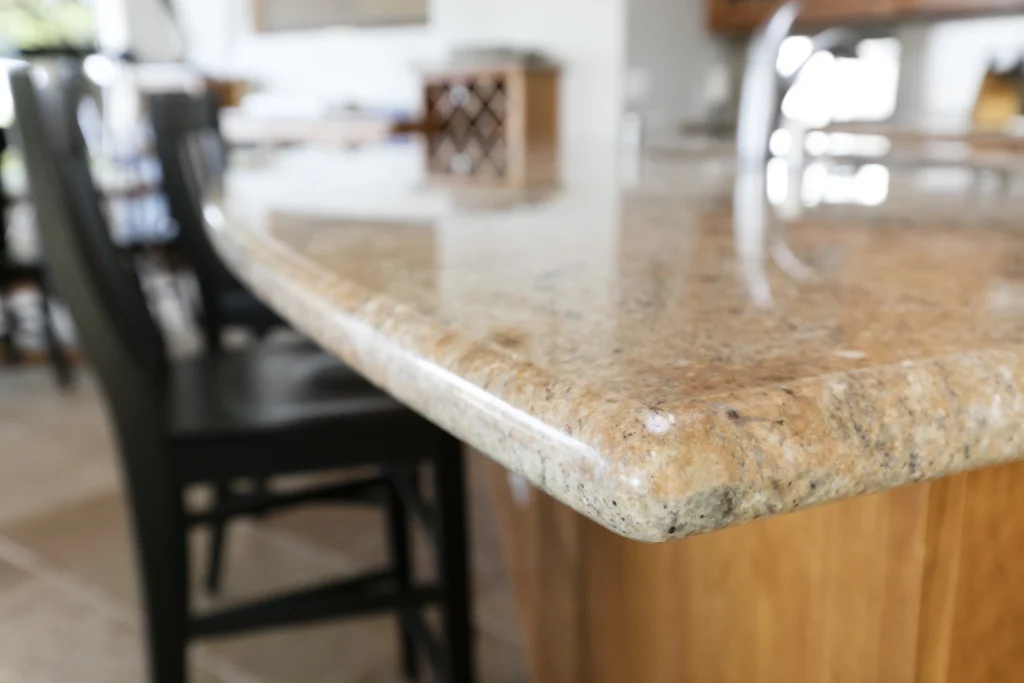
Granite Weight per Square Foot
Average weight range:
Understanding the weight specifications for granite is integral when planning any project involving this natural stone, such as Granite Countertop Installation. Proper support must be considered prior to undertaking installation, as granite can be extremely heavy. Installers and contractors looking for more precise calculations typically utilize the weight of granite per cubic foot as it provides vital data regarding cabinet reinforcement and structural adequacy prior to starting installation.
Factors influencing weight variations:
Thickness: Thicker granite countertops will naturally granite weight per square foot compared to thinner ones.
Density: The density of the particular granite slab used will affect its weight. Some granites are denser than others, leading to variations in weight.
Size and Shape: Larger and irregularly shaped countertops will generally weigh more due to the increased surface area.
Calculation Examples
Determining weight based on square footage:
How heavy is granite per square foot countertop? Based on square footage, you can use the formula:
- Weight = Area (in square feet) x Weight per square foot
- For example, if you have a granite countertop that measures 10 square feet and weighs 20 pounds per square foot, the total weight would be 10 sq ft x 20 lbs/sq ft = 200 pounds.
Common weights for typical countertop sizes:
A small kitchen countertop, around 30 square feet, might weigh between 540 to 750 pounds.
A larger kitchen countertop, around 50 square feet, might weigh between 900 to 1250 pounds.
Comparison with Other Countertop Materials:
Understanding how heavy are granite countertops are requires context. At 18-25 pounds per square foot, granite outweighs laminate (10-15 lbs/sq ft), yet compares closely to quartz (20-30 lbs/sq ft), solid surface materials or plywood countertops in terms of weight difference; this has direct implications on installation costs, cabinet support requirements and structural planning making material selection about more than aesthetics alone.
Types of Granite Countertops and Thickness
Varieties of Granite
Popular types of granite for countertops:
- Absolute Black Granite
- Bianco Antico Granite
- Blue Pearl Granite
- Giallo Ornamental Granite
- Kashmir White Granite
- Santa Cecilia Granite
Characteristics affecting weight:
Density: Granite varies in density, with denser varieties being heavier.
Mineral Composition: Different mineral compositions can affect the weight of granite per square foot.
Thickness: Thicker slabs tend to weigh more than thinner ones.
Thickness Options
Common thicknesses available:
2 centimeters (cm): This is a standard thickness for granite countertops and is often used for residential applications.
3 centimeters (cm): A thicker option that provides more durability and is commonly used for both residential and commercial applications.
Relationship between thickness and weight:
- Thicker slabs generally weigh more than thinner ones due to the additional material used.
- A 3 cm thick slab will typically weigh more than a 2 cm thick slab of the same dimensions.
- However, the weight can also vary depending on the density and composition of the specific type of granite being used. If you want professional guidance then Stone Sealer Restoration is best business.
Factors Affecting Granite Weight
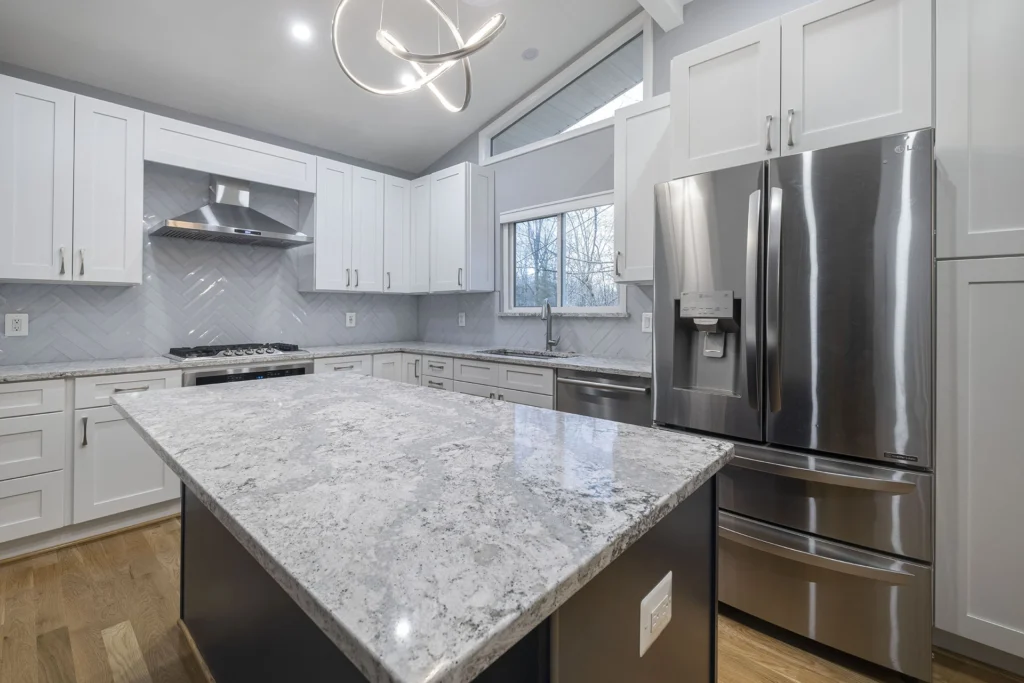
Factors affecting the weight of granite can be categorized into three main aspects:
Density of Granite:
Impact on Overall Weight: Density is the cornerstone of granite’s overall weight. When homeowners ask how heavy are granite countertops are, their answer often largely depends on their mineral makeup; dense granites boasting quartz crystals, feldspar grains and mica can weigh considerably more than their less dense counterparts.
Weight variation has real-world ramifications. High-density slabs require additional cabinetry reinforcements, careful transportation logistics management and additional installation labor; on the other hand, lower density options offer easier handling without compromising durability. It’s essential that we understand these differences for effective structural planning as well as to minimize unwelcome surprises during any countertop project.
Structural Considerations:
Support Requirements Based on Weight: The weight of granite influences the structural requirements for its support. Heavier granite slabs may necessitate stronger support systems, such as reinforced foundations or additional bracing, to ensure stability and prevent structural damage.
Impact on Installation Process: The weight of granite can impact the installation process in terms of labor requirements, equipment needed, and logistical considerations. Heavier granite may require specialized machinery or more manpower for lifting and positioning during installation.
Additional Elements:
Presence of Reinforcement: Granite slabs may incorporate reinforcement materials, such as steel rods or mesh, to enhance their strength and durability. The presence of reinforcement can add to the overall weight of the granite product.
Surface Treatments and Their Effects on Weight: Surface treatments, such as polishing or sealing, can alter the weight of granite. While these treatments may not significantly increase the weight individually, their cumulative effect should be considered, especially in large-scale applications.
Conclusion
Granite’s weight can be an important consideration for both homeowners and contractors alike, since its density makes it heavy material that varies based on factors like thickness, size and density of specific slabs of granite. While exact figures vary between 18-25 pounds per square foot.
It’s essential for individuals planning to install granite countertops to factor in this weight when considering structural support and installation logistics. Feel free to contact us for any type of services or query like how heavy are granite countertops.
FAQs
How heavy are granite countertops?
The weight of a granite countertop can vary depending on factors like thickness, size, and density of the stone. On average, a square foot of granite countertop can weigh between 18 to 24 pounds.
How Does The Thickness Of The Granite Affect Its Weight?
Thicker granite countertops naturally weigh more than thinner ones. Standard thicknesses range from ¾ inch to 1¼ inches. The weight increases accordingly with thicker slabs.
Are There Different Types Of Granite With Varying Weights?
Yes, granite comes in various densities and compositions depending on its geological formation. Some types of granite are denser and heavier than others. Variations in mineral composition and porosity can also impact weight.
How Much Does A Typical Granite Countertop Weigh?
The weight of a typical granite countertop can range from 400 to 600 pounds for a standard-sized kitchen countertop (approximately 50 to 60 square feet).
Do I Need Special Reinforcement For My Cabinets To Support The Weight Of Granite Countertops?
Yes, due to their weight, granite countertops may require additional support. It is advisable to consult with a professional installer or contractor to ensure proper reinforcement of cabinets to support the weight of the granite.