
Concrete floors often crack, sink, and crumble over time. What begins as a hairline fracture can quickly progress into a costly structural issue, requiring thousands to repair. Property owners sometimes wait too long before taking steps to address small cracks; when water seeps into these cracks, and freeze-thaw cycles widen gaps beyond repair, something which should have been easily patched becomes necessary replacement instead.
Learning how to fix concrete floor damage early saves money and prevents bigger headaches. From basement moisture issues, uneven settling or surface wear, finding an appropriate repair method depends on its nature and severity; Stone Sealer Restoration works regularly with property owners experiencing these challenges – early intervention stops minor damages becoming major failure.
Why Concrete Floors Fail
Concrete doesn’t just crack randomly. Damage happens when the material experiences stress it wasn’t designed to handle. Understanding the cause helps you choose the right repair and prevent recurrence.
Common causes of damage:
Shrinkage during curing: Concrete shrinks as it dries. If the slab cures too quickly or lacks proper control joints, cracks form.
Settlement and soil movement: When the ground beneath a slab shifts or compresses unevenly, the concrete sinks or breaks.
Freeze-thaw cycles: Water enters small cracks, freezes, expands, and breaks the concrete apart from the inside.
Overloading: Floors designed for light use fail when subjected to heavy equipment or storage.
Moisture intrusion: Water weakens concrete over time, especially in basements where hydrostatic pressure pushes moisture through the slab.
Basements see the worst of it. Poor drainage, high water tables, and inadequate vapor barriers create conditions where concrete crack repair becomes a recurring issue. How to fix concrete floor without addressing the moisture source leads to repeated failure.
How to Identify the Type of Concrete Damage
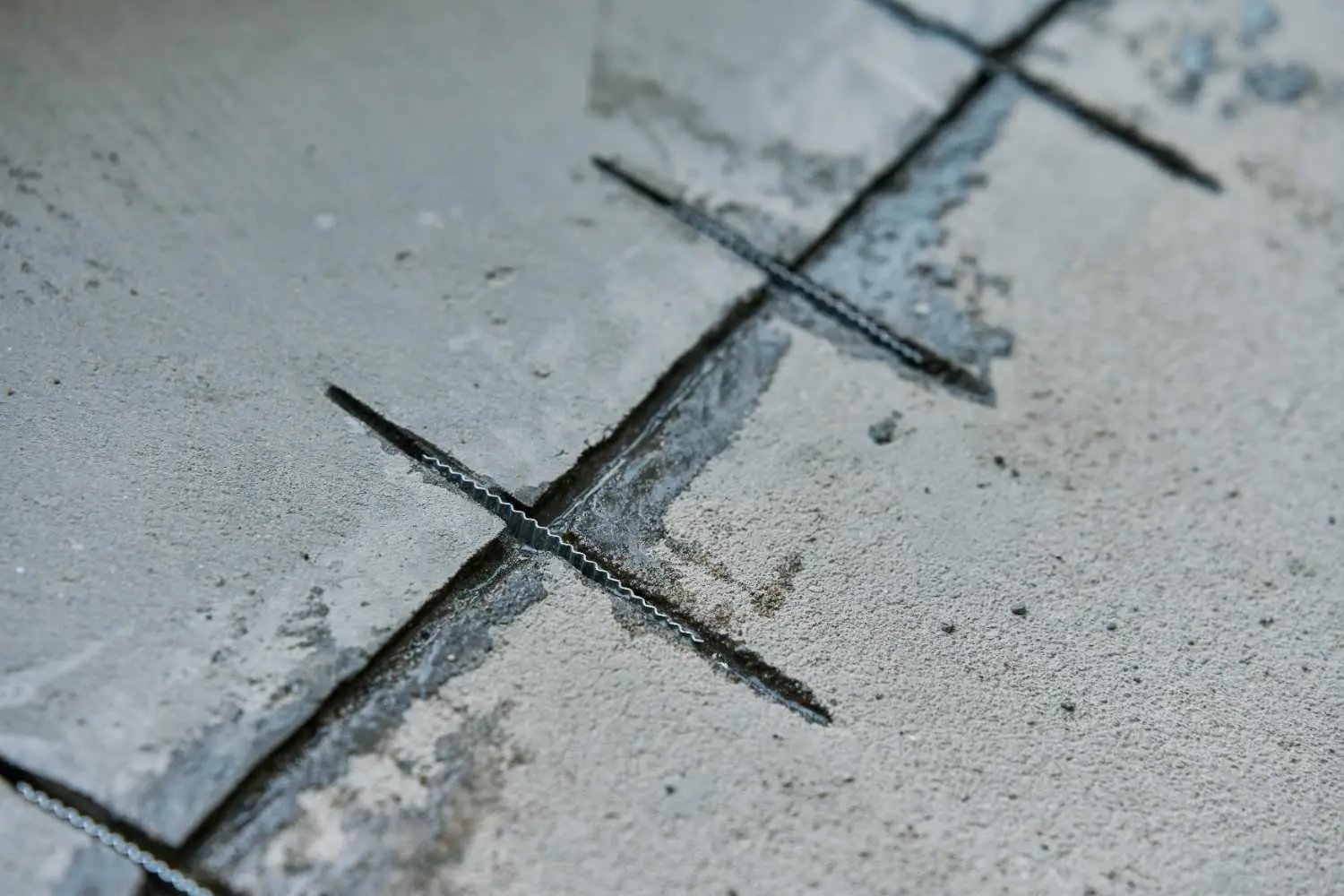
Not all cracks are the same. Understanding how to repair uneven concrete floor sections versus hairline fractures requires recognizing different damage types. The repair method that works for a hairline fracture won’t hold up against a structural gap or a sunken section.
Hairline Cracks
These run less than 1/8 inch wide and don’t move. They’re usually cosmetic but can let moisture through. A quality crack and hole filling product works here, especially epoxy or polyurethane-based sealants that bond to both sides of the crack.
Structural Cracks
Wider than 1/4 inch, often accompanied by vertical displacement or continued movement. These indicate foundation issues or severe settlement. Structural concrete repair for cracks this large requires epoxy injection or routing and sealing. If the crack keeps widening, professional evaluation is necessary.
Spalling and Surface Damage
This shows up as flaking, pitting, or chunks breaking off the surface. Freeze-thaw damage and chemical exposure cause this. Concrete resurfacing products that include bonding agents restore the surface and protect against further abrasion.
Uneven or Sunken Slabs
When sections of a floor sit lower than the rest, it’s usually due to soil settlement. Knowing how to level a sinking concrete surface requires lifting the slab back into place, often using polyurethane foam injection or mudjacking. Floor patching won’t solve the problem because the underlying support is compromised.
Step-by-Step Process: How to Fix Concrete Floor Cracks
Repairing cracks properly means preparing the surface, choosing the right material, and applying it correctly. Skipping steps leads to failure. Here’s how to fill concrete floor cracks step by step.
1. Clean the crack thoroughly
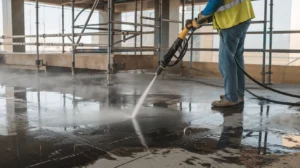
Remove all loose debris, dust, and old filler. Use a wire brush, shop vacuum, or compressed air. If the crack has oil or grease, clean it with a degreaser. The repair material won’t bond to dirty concrete.
2. Widen narrow cracks if necessary
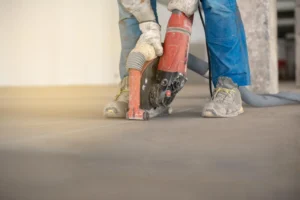
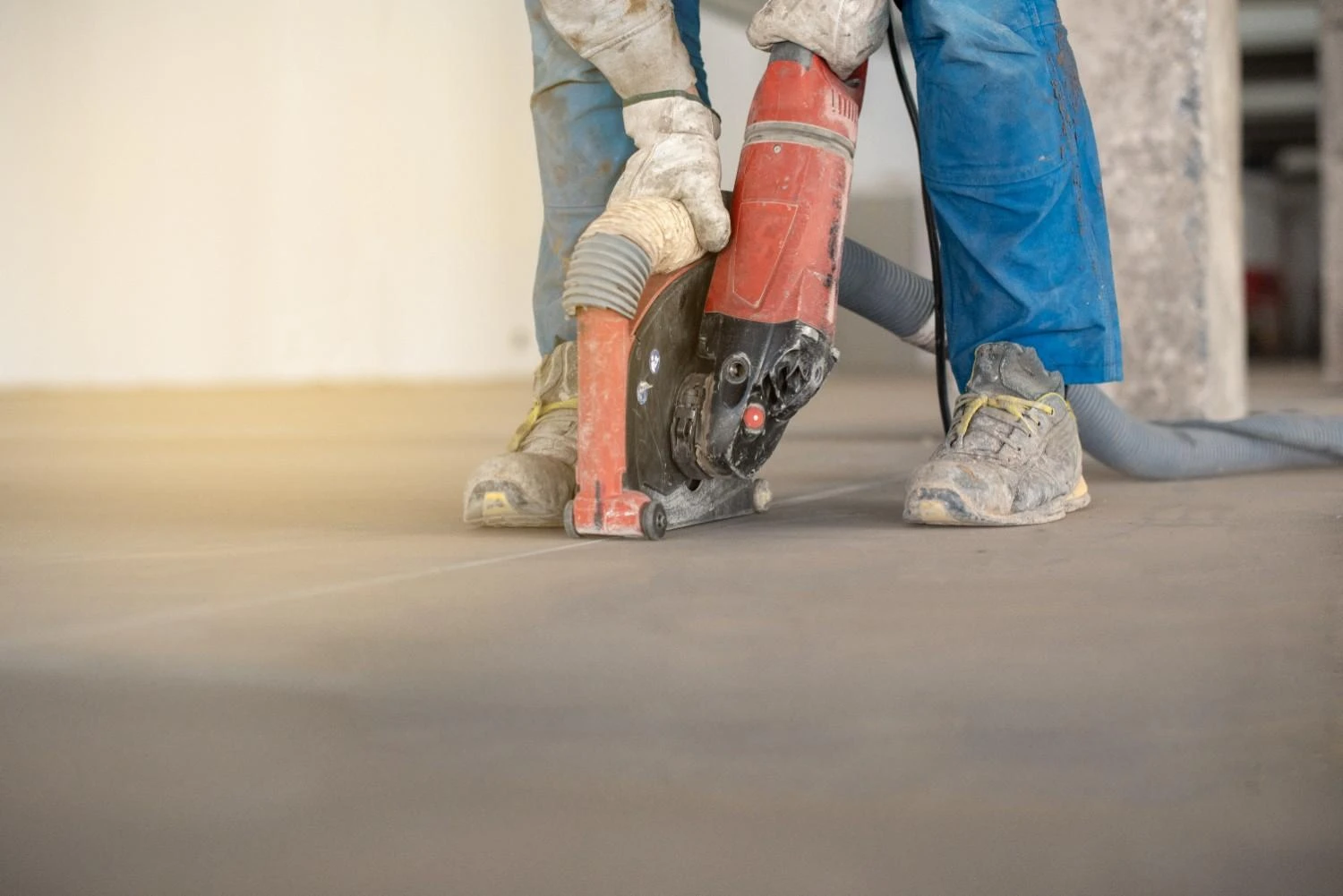
Hairline cracks often need widening to allow proper filler penetration. Use a grinder or chisel to create a V-shaped groove. This gives the patching material more surface area to grip.
3. Apply a bonding agent
For wider cracks or areas where the concrete is old and porous, a bonding agent improves adhesion. Brush or spray it into the crack and let it tack up before adding the main filler.
4. Fill the crack with the appropriate material
Epoxy: Best for structural repairs. High strength, bonds aggressively, works well for cracks that bear load.
Polyurethane: Flexible, handles movement better than epoxy. Good for slab repair where slight shifting occurs.
Concrete patch compound: Works for shallow cracks and surface damage. Easier to work with but less durable under stress.
Pour or inject the material, making sure it fills the entire depth. Overfill slightly, then smooth it level with the surrounding surface.
5. Cure and protect
Follow the manufacturer’s cure time. Most products need 24 to 48 hours before foot traffic. For heavy use areas, wait longer. Seal the repaired area with a penetrating sealer to protect against moisture and wear.
How to Fix Concrete Floor Sections with Concrete Leveling
Sunken slabs create trip hazards and drainage problems. Water pools in low spots, accelerating damage. Replacing the slab is expensive and disruptive. Lifting it back into place costs less and takes less time.
Mudjacking
This traditional method pumps a slurry of cement, sand, and water beneath the slab. The mixture fills voids and raises the concrete. It’s effective but adds weight, which can cause future settling if the soil underneath is weak.
Polyurethane Foam Injection
A newer approach that injects expanding foam beneath the slab. The foam is lightweight, expands quickly, and stabilizes the soil. It’s more expensive than mudjacking but often more reliable, especially in wet or unstable ground.
Both methods require drilling holes through the slab, injecting the material, and monitoring the lift to avoid over-correction. This isn’t a DIY project unless you have experience with the equipment.
How to Resurface a Concrete Floor with Extensive Damage
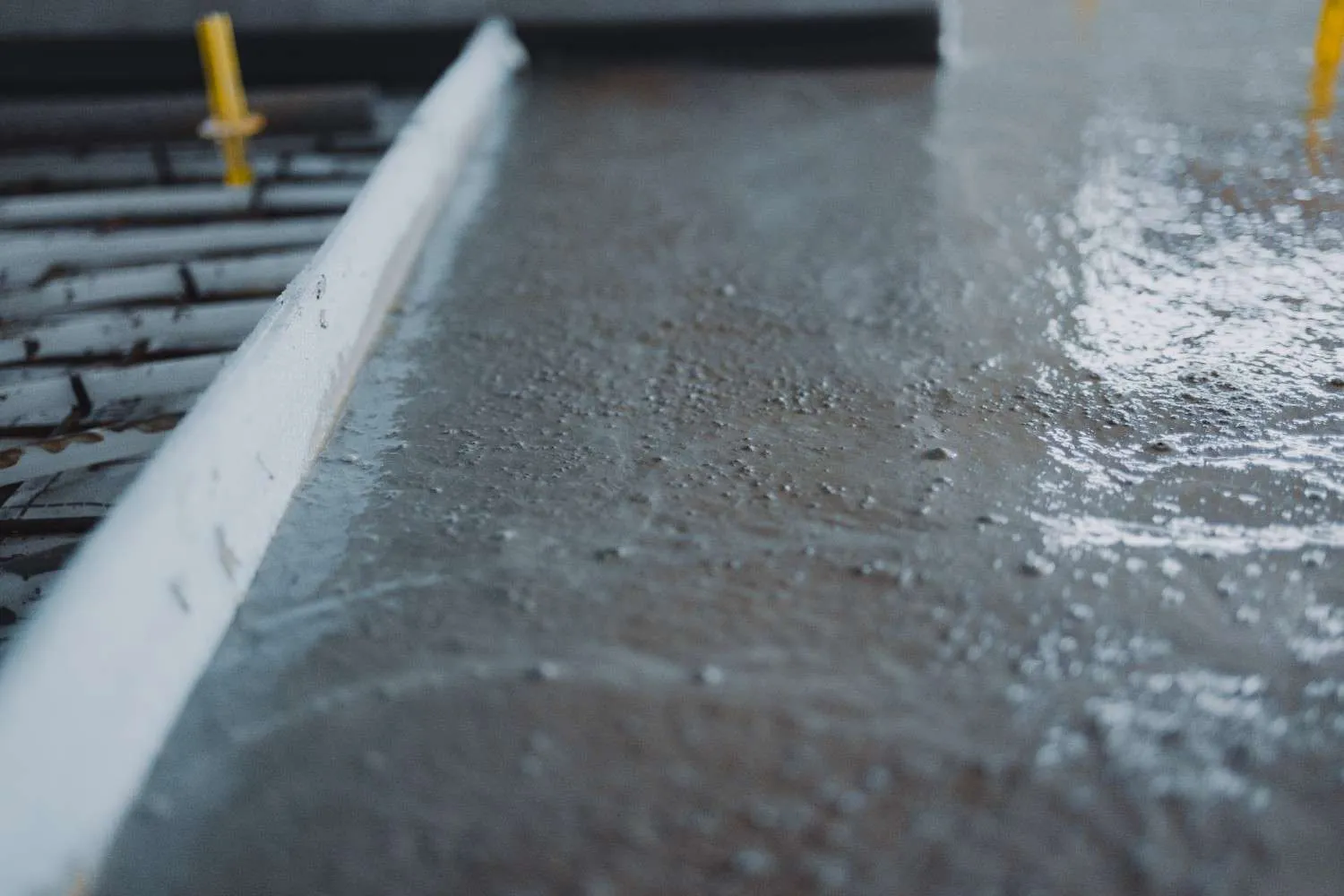
When the surface is pitted, cracked in multiple places, or worn down from abrasion, knowing how to patch holes in concrete individually doesn’t make sense. Concrete resurfacing applies a new layer over the existing slab, restoring both appearance and durability.
Resurfacing makes sense when multiple cracks spread across the floor, the surface layer has flaked or spalled extensively, you want to change the finish or add texture, and the underlying slab is structurally sound. This approach is particularly effective for basement floor repair where moisture and settling have caused widespread damage.
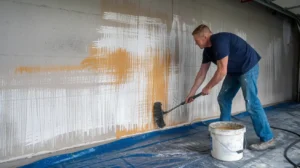
The process involves cleaning the floor, fixing concrete cracks, applying a bonding agent, and pouring a thin overlay. Self-leveling compounds work well for this. They flow into low spots and create a smooth, even surface without extensive troweling. For high-traffic areas, choose abrasion-resistant flooring overlays that include polymer additives. These hold up better than standard patching materials and resist wear from foot traffic and equipment.
Preventing Future Concrete Floor Damage
Understanding how to fix concrete floor damage is only half the battle. Repairs hold up longer when you address the root cause. Fixing the crack without fixing the problem that caused it leads to repeated repairs.
Control moisture: Install vapor barriers beneath slabs, improve drainage around the foundation, and seal the concrete to prevent water penetration. Moisture mitigation prevents repeated failures.
Use proper joints: Control joints allow concrete to expand and contract without cracking. If your slab lacks them, cutting them in can prevent future damage.
Seal regularly: Penetrating sealers protect against moisture, chemicals, and freeze-thaw damage. Reapply every few years depending on traffic.
Address settlement early: If you notice sinking or unevenness, lift and stabilize the slab before cracks form.
Avoid overloading: Know the load capacity of your floor and don’t exceed it with heavy storage or equipment.
Concrete floor repair in basements often requires ongoing moisture mitigation. A single repair won’t last if water continues to push through the slab. Combine crack repair with drainage improvements and sealing for long-term results.
Materials That Actually Hold Up
Not all repair products perform the same. Some crack within months, others last decades. The difference comes down to material choice and application when fixing concrete cracks.
Epoxy-based products: High strength, excellent bond, rigid. Best for structural concrete repair where load-bearing capacity matters. Not ideal where slight movement occurs.
Polyurethane sealants: Flexible, moisture-tolerant, bonds well even in damp conditions. Good for fixing cracks in basements and exterior slabs.
Polymer-modified patching compounds: Combine traditional cement with polymers for improved adhesion and flexibility. Work well for surface repairs and thin overlays.
Self-leveling underlayments: Useful for floor patching and resurfacing products applications. They fill depressions, level uneven areas, and create a smooth finish without extensive labor.
Avoid basic mortar mixes for cracks in basement floor repair. They shrink, don’t bond well, and fail quickly. Spend more on quality materials designed for fixing concrete cracks and concrete finish restoration. The repair will last longer and save repeat work.
For professional-grade materials and application guidance, companies like Stone Sealer Restoration offer insight into which products perform best in different conditions.
Is Concrete Floor Repair DIY or Professional?
Some repairs are straightforward. Others require equipment, experience, and structural knowledge you won’t have without training. Knowing when to hire help prevents costly mistakes.
Call a professional when cracks are wider than 1/4 inch and continuing to grow, the slab has settled significantly or shows signs of structural failure, you’re dealing with extensive spalling or surface damage across a large area, moisture issues are severe and the source isn’t clear, or the repair involves slab lifting or concrete leveling.
DIY repairs work well for minor cracks, small patches, and preventive sealing. Anything that affects the structural integrity of the floor or requires specialized equipment justifies professional help.
Basement repairs often need more than surface fixes. Cracks in basement floor repair and fixing unlevel concrete require addressing underlying issues first. If water is coming up through the slab, you’re dealing with hydrostatic pressure that won’t stop with a simple patch. A professional can assess the foundation, drainage, and soil conditions to recommend a complete solution.
For guidance on professional options, check out Concrete Floor Repair Services in Boston or review resources from the Portland Cement Association, which provides technical standards for repair materials and methods.
How Long Does Concrete Floor Repair Take?
Timeline depends on the extent of damage and repair method chosen. Simple crack filling takes a few hours of active work plus 24 to 48 hours of cure time before the floor can handle foot traffic. Concrete resurfacing requires one to two days for preparation, application, and initial curing, with full cure taking up to a week. Slab lifting with foam injection is completed in a few hours, while mudjacking may take half a day. Extensive repairs involving multiple techniques can take several days to complete properly.
Conclusion
Concrete floor damage doesn’t fix itself. Small cracks widen, uneven slabs settle further, and surface wear exposes the slab to moisture and chemical damage. Acting early keeps repairs manageable and prevents the kind of structural issues that require tearing out and replacing entire sections.
Whether you’re learning how to fix concrete floor cracks with epoxy, lifting a sunken slab, or applying resurfacing products to a worn basement floor, the key is matching the repair method to the problem. Contact us to use quality materials, prepare the surface correctly, and address the underlying cause. Stone Sealer Restoration sees too many repeat repairs that could have been avoided with the right approach the first time. Know what you’re fixing, why it failed, and how to keep it from happening again. Your floor will last longer, and you’ll save money in the process.
FAQs
What’s the best way to fix small cracks in a basement floor?
For cracks narrower than 1/4 inch, use a flexible polyurethane or epoxy crack filler. Clean the crack thoroughly, widen it slightly if needed, and inject the filler to ensure it reaches the full depth. Flexible products work better in basements because they tolerate slight movement and moisture better than rigid compounds.
Can I fix unlevel concrete myself, or do I need professional help?
Fixing unlevel concrete requires specialized equipment like foam injection systems or mudjacking pumps. While small surface leveling can be done with self-leveling compounds, raising sunken slabs is best left to professionals. Incorrect lifting can crack the slab or cause uneven stress points.
How long do concrete crack repairs last?
Properly done repairs using quality epoxy or polyurethane products can last 10 to 20 years or more. The lifespan depends on the material used, how well the surface was prepared, and whether the underlying cause of the crack was addressed.
What causes concrete floors to crack in the first place?
Concrete cracks due to shrinkage during curing, settlement of the soil beneath the slab, freeze-thaw cycles, overloading, and moisture intrusion. Basements are especially prone to cracking because of hydrostatic pressure and poor drainage. Identifying the cause helps prevent future damage.
Is resurfacing better than replacing a damaged concrete floor?
If the underlying slab is structurally sound, resurfacing is more cost-effective and less disruptive than replacement. It restores the surface, fills minor cracks, and improves durability. Replacement is only necessary when the slab has severe structural damage, extensive cracking, or foundation issues.