
...

Stone Sealer Restoration

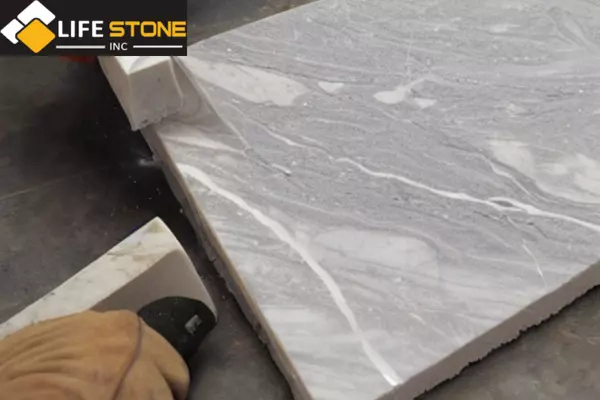
How to Cut Marble Tile

How to Cut Marble Tile

Table of Contents

Mosaics are popular in homes across the United States, and for good reason – they’re a beautiful way to decorate any space. However, getting started with marble tile can be a daunting task, especially if you’re not familiar with the process.

This guide will teach you how to cut marble tile, so that you can start creating beautiful mosaics of your own. Cutting large blocks of natural stone can be a tricky job. When it comes to doing this, there are several things that you need to take into consideration before starting.

One thing is the size of your block. If the piece of rock is big enough, you might find it easier to use a saw to do so. However, for small pieces of rock, you will probably need to opt for a grinder.

It doesn’t matter whether you want to cut stone slabs, flooring, countertops, walls, stairs, or anything else. The best way to get started is by following our tips. We believe that you should always start with the basics and then move on to more complex projects later. It is better to learn the fundamentals first, rather than go straight in.

Before you start using any of your tools, make sure you have all the necessary equipment ready beforehand. This means having a good quality circular blade, an abrasive pad, a vacuum cleaner, or a hammer. All of these are used to smooth out the surface of the stone.

How to Cut Marble Tile by Hand

Cutting marble tiles is one of the most difficult things that you can ever try to do. If you want to how to cut marble tileby hand, then you need to read the article below. This is a guide that explains everything you need to know about cutting marble.

When it comes to cutting marble, you should first decide whether you would like to use a power tool. However, this isn’t always possible. For example, you might have to do some heavy lifting when you’re trying to cut marble with a saw.

If you don’t own any tools, then you can still get the job done. The best way to start is to take the tile off its backing material. Then, you should remove the edges of the tile using a hammer and chisel. After that, you’ll be able to finish the task.

You could also make your life easier by purchasing a diamond blade. You should then run the blade along the edge of the tile. When you’ve finished, you’ll end up with an even surface.

Once you’ve completed the process, it’s time to clean up. You should wipe down all of the surfaces. Once this has been accomplished, you should put away your tools.

Benefits

There is one thing in particular that makes using the cutting wheel on your circular saw to carve a design into marble tiles, such as a diamond shape, square, circle, or triangle, difficult.

It’s because of the power it takes to do this task. That said, if you have some patience and want to learn about the steps involved when cutting and carving marble, then continue reading to find out what you should consider before starting the job.

Marble is known to be an expensive stone, but that doesn’t mean it has to cost a fortune. You can buy cheap marble to do this kind of project and still enjoy beautiful results.

Drawbacks

If your contractor has chosen to use the hammer and chisel method of cutting the tiles, he may damage the tile. It also takes longer than using power tools.

With the manual technique, the surface can be rough and uneven, especially if you don’t have a good eye for design. Hand cutting is not recommended when laying a floor.

How to Cut Marble with a Grinder

If you have a small space that you want to cover, you might be interested in using a marble-cutting machine. Marble is a beautiful stone, but it can also be very expensive.

If you’re looking to save money, then you should consider buying a marble cutter. If you want to how to cut marble tile with grinder, then you need to read the article below.

Marble tiles come in many different colors, shapes, and sizes. The best way to use these tiles is by placing them on top of each other. This will create an interesting pattern. You can easily make this happen by purchasing a marble cutter.

A marble cutter is a tool that can help you cut marble into smaller pieces. By doing so, you’ll end up with more room in your home. It’s important to note that the size of the piece that you get depends on the thickness of the marble.

You can purchase a marble cutter from any local hardware store. However, you need to ensure that you buy one that is made specifically for the type of marble that you plan to use. For example, if you want to use white marble, you should look for a model that is designed to work with this material.

Benefits

Marble cutting can be an extremely messy job, but it doesn’t have to be. Here’s If you want to how to cut marble tile with grinder to get clean cuts every single time.

Start by sanding down the stone with some medium grit. Next, place the stone on top of a piece of wood or plastic and apply pressure with one hand while holding the grinder in the other.

Finally, switch hands and give the blade another pass before taking the marble out of its holder. You’ll now be able to slice through any kind of material. For a more detailed guide, check out this step-by-step tutorial of  how to cut marble tile.

Drawbacks

The disadvantages of using these tools are that you cannot control the speed at which the blade cuts through the stone, so there is always a possibility that you could damage your expensive marble flooring. Another disadvantage is that you must work in small increments; 

It’s difficult to make large sections of the floor. You might also find the process messy and time-consuming.

The advantages of this method are that you can remove all the sharp edges and rough parts, leaving behind a smooth surface. It doesn’t leave any sticky residue on the material, meaning no cleaning is required.

Manual Marble Tile Cutter

Marble is a beautiful stone that comes from Italy. Marble tiles have been used in many places around the world since ancient times. Today, you can buy a wide variety of marble tiles online. If you want to learn more about this type of material, then keep reading its will help you how to cut marble tile with tile cutter.

If you’re looking for a way to cut your marble tiles, then you should know that you need special tools to do so. The best tool for cutting marble tiles is the manual marble tile cutter.

This is an easy-to-use machine, and it’s perfect for people who don’t want to spend much time doing their work. You can use the manual marble tile cutter to create any kind of pattern that you like. You just need to follow the instructions on the box.

When you’re using the manual marble tile cutter, you will be able to make several different cuts. For example, you can easily cut squares, circles, and even diamonds. It’s important to note that the manual marble tile cutter isn’t very accurate.

It may leave some small gaps between your pieces. That means that you might end up with uneven edges. However, this is a good thing because it makes your marble tiles look better.

Benefits

The benefits of the manual marble tiling machine include the fact that it is very easy to use. It can produce an extremely high output per hour. Furthermore, it can cut many types of materials, including glass, ceramic, stone, concrete, etc.

If one needs to remove a small section of marble tile to fix something, they don’t have to worry about ruining the rest of the piece. Marble tiles can often be difficult to remove due to the hardness of the material and the difficulty of finding exactly the right type of tool. The manual marble tile cutter does not require any special tools and can be used on almost every surface of your choice.

Drawbacks

Manual Marble Tile Cutter – These machines are widely used for cutting tiles. The tools in these machines are made up of diamond-tipped blades that cut the surface of the stone to give the desired result.

The blades have different shapes and sizes, depending on the type and size of the stones to be cut. All the blade types are fixed in the machine, so as they wear, the tool has to be changed.

There are other advantages also, such as durability, precision, reliability, ease of maintenance, and low maintenance costs.

Can I Cut Marble with a Tile Cutter

Cutting marble tiles is very difficult. Marble tiles have many different layers, so you need to use special tools to be able to get a clean cut. If you want to learn how to cut marble, then you should read the article below. This will give you all the information that you need.

Marble is one of the hardest stones to work with. The first thing that you need to know is that you can’t just take your regular cutting tool and try to use it on a stone like marble. You’ll end up damaging the blade. To avoid this, you should invest in a good quality cutting saw.

You also shouldn’t attempt to cut marble without the proper safety equipment. Make sure that you wear protective eye gear, ear plugs, gloves, and long pants. When using the saw, make sure that you don’t let any of your body parts come into contact with the blade.

If you’re going to cut a large area, then you might want to consider hiring someone to do it for you. It’s much easier to hire someone than to try to figure out how to cut marble tile yourself.

Benefits

While most homeowners want to remove old countertops and cabinets, it is important to know what type of material the kitchen sink or bathtub was made out of before attempting any major remodelling project.

If your new countertop will not fit into place, this could cause problems down the road when plumbing issues arise. For example, if your kitchen sink drains through the floor, you may have to replace that part of For example,room and possibly the entire room as well. This can make a small project turn into an expensive one very quickly.

Drawbacks

Marble is harder than other stones. It needs to be sawed with special tools, rather than just sanded. If you try cutting it yourself, the surface might become too rough. You’ll also be dealing with a lot of dust, and the pieces are quite small.

Some places won’t allow it, either because they don’t want anyone messing up their floors, or because they want the stone to look perfect.

You need to be careful how hard you use your tiles and what type of product you’re using. The tool should be able to handle the hardness of marble, and any scratches from a rough setting shouldn’t hurt the finish.

Conclusion

In conclusion of  how to cut marble tile, this means that instead of using a knife to cut the stone, you can use a hand-held circular saw to do so. The results are amazing, I have tried this technique on all kinds of surfaces – granite countertops, brick walls, concrete, tile, wood, etc.

With any surface, the key is to remove a thin layer of material at a time. Start by cutting around the outside edges, then move inward toward the center until you reach bare rock or cement. After removing that piece, repeat with more force. Eventually, you’ll get through.

FAQs

  1. Can I use a tile cutter for cutting marble?

 It depends on how fine you would like your cuts to be. Some people say that a tile cutter isn’t very accurate, so if you want really precise cuts, then this method probably wouldn’t work.

  1. How much does it cost to get one of these machines? 

This machine costs approximately $500.00.

  1. Is there any kind of maintenance required on the equipment? 

No, it is simple and easy to maintain. You only have to change out the blades once every few months.

  1. What types of materials can you cut? 

Marble, granite, slate, glass, and ceramic are some examples.

  1. Will the tiles fall off when they’re being cut? 

The tiles will not fall off. However, if they are placed on uneven surfaces or too steep a slope, the tiles may come loose from the backing material.

  1. Are there other uses for the tile cutter?

 Yes. For example, you could create mosaics by using the same technique as described in our guide to creating mosaic art.

  1. Does it work well with carpeting and linoleum?

 Not all carpets are created equal. Some carpets are very thick, which makes it difficult to cut through without damaging the surface. Other carpets are thin, and cutting into them is easier.

  1. How do you get a tile cutter? 

Visit a local home improvement store and ask for a tile cutter.

how to cut marble tile how to cut marble tile how to cut marble tile how to cut marble tile how to cut marble tile how to cut marble tile how to cut marble tile how to cut marble tile how to cut marble tile how to cut marble tile how to cut marble tile how to cut marble tile how to cut marble tile how to cut marble tile how to cut marble tile how to cut marble tile

Services

Our Latest Posts

How to Fix Concrete Floor Damage Before It Gets Worse

Concrete floors often crack, sink, and crumble over time. What begins as a hairline fracture can quickly progress into a costly structural issue, requiring thousands to repair. Property owners sometimes wait too long before taking steps to address small cracks; when water seeps into these cracks, and freeze-thaw cycles widen gaps beyond repair, something which should have been easily patched becomes necessary replacement instead. Learning how to fix concrete floor damage early saves money and prevents bigger headaches. From basement moisture issues, uneven settling or surface wear, finding an appropriate repair method depends on its nature and severity; Stone Sealer Restoration works regularly with property owners experiencing these challenges – early intervention stops minor damages becoming major failure. Why Concrete Floors Fail Concrete doesn’t just crack randomly. Damage happens when the material experiences stress it wasn’t designed to handle. Understanding the cause helps you choose the right repair and prevent recurrence. Common causes of damage: Shrinkage during curing: Concrete shrinks as it dries. If the slab cures too quickly or lacks proper control joints, cracks form. Settlement and soil movement: When the ground beneath a slab shifts or compresses unevenly, the concrete sinks or breaks. Freeze-thaw cycles: Water enters small cracks, freezes, expands, and breaks the concrete apart from the inside. Overloading: Floors designed for light use fail when subjected to heavy equipment or storage. Moisture intrusion: Water weakens concrete over time, especially in basements where hydrostatic pressure pushes moisture through the slab. Basements see the worst of it. Poor drainage, high water tables, and inadequate vapor barriers create conditions where concrete crack repair becomes a recurring issue. How to fix concrete floor without addressing the moisture source leads to repeated failure. How to Identify the Type of Concrete Damage Not all cracks are the same. Understanding how to repair uneven concrete floor sections versus hairline fractures requires recognizing different damage types. The repair method that works for a hairline fracture won’t hold up against a structural gap or a sunken section. Hairline Cracks These run less than 1/8 inch wide and don’t move. They’re usually cosmetic but can let moisture through. A quality crack and hole filling product works here, especially epoxy or polyurethane-based sealants that bond to both sides of the crack. Structural Cracks Wider than 1/4 inch, often accompanied by vertical displacement or continued movement. These indicate foundation issues or severe settlement. Structural concrete repair for cracks this large requires epoxy injection or routing and sealing. If the crack keeps widening, professional evaluation is necessary. Spalling and Surface Damage This shows up as flaking, pitting, or chunks breaking off the surface. Freeze-thaw damage and chemical exposure cause this. Concrete resurfacing products that include bonding agents restore the surface and protect against further abrasion. Uneven or Sunken Slabs When sections of a floor sit lower than the rest, it’s usually due to soil settlement. Knowing how to level a sinking concrete surface requires lifting the slab back into place, often using polyurethane foam injection or mudjacking. Floor patching won’t solve the problem because the underlying support is compromised. Step-by-Step Process: How to Fix Concrete Floor Cracks Repairing cracks properly means preparing the surface, choosing the right material, and applying it correctly. Skipping steps leads to failure. Here’s how to fill concrete floor cracks step by step. 1. Clean the crack thoroughly Remove all loose debris, dust, and old filler. Use a wire brush, shop vacuum, or compressed air. If the crack has oil or grease, clean it with a degreaser. The repair material won’t bond to dirty concrete. 2. Widen narrow cracks if necessary Hairline cracks often need widening to allow proper filler penetration. Use a grinder or chisel to create a V-shaped groove. This gives the patching material more surface area to grip. 3. Apply a bonding agent For wider cracks or areas where the concrete is old and porous, a bonding agent improves adhesion. Brush or spray it into the crack and let it tack up before adding the main filler. 4. Fill the crack with the appropriate material Epoxy: Best for structural repairs. High strength, bonds aggressively, works well for cracks that bear load. Polyurethane: Flexible, handles movement better than epoxy. Good for slab repair where slight shifting occurs. Concrete patch compound: Works for shallow cracks and surface damage. Easier to work with but less durable under stress. Pour or inject the material, making sure it fills the entire depth. Overfill slightly, then smooth it level with the surrounding surface. 5. Cure and protect Follow the manufacturer’s cure time. Most products need 24 to 48 hours before foot traffic. For heavy use areas, wait longer. Seal the repaired area with a penetrating sealer to protect against moisture and wear. How to Fix Concrete Floor Sections with Concrete Leveling Sunken slabs create trip hazards and drainage problems. Water pools in low spots, accelerating damage. Replacing the slab is expensive and disruptive. Lifting it back into place costs less and takes less time. Mudjacking This traditional method pumps a slurry of cement, sand, and water beneath the slab. The mixture fills voids and raises the concrete. It’s effective but adds weight, which can cause future settling if the soil underneath is weak. Polyurethane Foam Injection A newer approach that injects expanding foam beneath the slab. The foam is lightweight, expands quickly, and stabilizes the soil. It’s more expensive than mudjacking but often more reliable, especially in wet or unstable ground. Both methods require drilling holes through the slab, injecting the material, and monitoring the lift to avoid over-correction. This isn’t a DIY project unless you have experience with the equipment. How to Resurface a Concrete Floor with Extensive Damage When the surface is pitted, cracked in multiple places, or worn down from abrasion, knowing how to patch holes in concrete individually doesn’t make sense. Concrete resurfacing applies a new layer over the existing slab, restoring both appearance and durability. Resurfacing makes sense when multiple cracks spread across the floor, the surface layer has flaked or spalled

Read More »

What Does Etching On Marble Look Like

Marble may look strong and timeless, yet its appearance can change quickly when exposed to an outside substance. Homeowners might notice dull spots or cloudy patches on their stone surfaces and begin asking, What Does Etching On Marble Look Like? generally as an attempt to understand whether surface issues indicate real stone damage that requires repair or simply minor surface wear-and-tear issues that need attention immediately. At Stone Sealer Restoration, homeowners often have questions regarding how marble countertops react to common products and foods. Our guide below describes etching symptoms; why it occurs; its physical manifestation, as well as ways of verifying whether any marks you see on your countertop represent true marble etching or something else entirely. Understanding What Marble Etching Really Is Marble is a natural stone composed mostly of calcium carbonate that reacts with acids when exposed to them; when an acid touches marble’s surface, it causes a chemical change on its surface and results in its chemical etching process. Etching does not eliminate color; rather, it alters texture so light no longer reflects evenly, creating dull marks or spots of uneven iridescence that form dull spots on stone surfaces. As opposed to staining, which darkens stone with color enhancement, Etching lightens stone by breaking down its polished finish, thereby lightening stone significantly more than staining does. Why Does Etching Happen So Quickly Numerous common products contain mild acids.  These include: Lemon juice Vinegar Wine Soda Tomato sauce Some cleaning products Even brief contact with some cleaning products can leave permanent etch marks on polished stone surfaces, prompting homeowners to ask What Does Etching On Marble Look Like, often because marble countertops in kitchens and bathrooms face this risk on an everyday basis from normal usage and household products like cleaners. Polished Vs Honed Marble Reactions The look of etched marble depends on the finish. Polished marble shows etching as cloudy or chalky spots Honed marble shows etching as lighter patches with a rough feel Carrara marble is a common example. Its soft structure and light color make etch marks easy to see. Visual Clues Look out for these signs on your marble countertop or floor: Common Visual Clues Look for these signs on your marble countertop or floor: A dull spot where shine used to be A cloudy ring near sinks or drink areas Light streaks that follow the path of a spill Uneven shine across the surface A faint white mark that will not wipe away These etched marks often appear near sinks, cooktops, or bathroom vanities where daily use is highest. How Light Reveals Etching Etching becomes more visible under certain lighting. Try this test: Turn off overhead lights Use a flashlight or phone light Shine it across the surface at a low angle Most often, stone surfaces do not become significantly altered through wear-and-tear erosion; rather, changes occur only at the surface level. How Etching Feels to the Touch Visual signs tell part of the story. Touch gives more clues. Texture Changes Run your fingers across the suspected area. Polished marble should feel smooth like glass Etched areas often feel slightly rough Severe etching may feel gritty or uneven The stone is not eaten away deeply in most cases. The change happens at the surface level. Why Texture Matters When marble loses its polish, the stone surface develops tiny pits that change how light reflects across it. This is why etched areas look dull compared to nearby polished sections. These small surface changes also explain why some damage is mistaken for scratches, which is covered in more detail through Marble Scratch Repair, where texture differences help identify the true cause. Over time, residue settles into these pits, and repeated exposure allows the affected area to spread and become more noticeable. Etching Vs Staining: How Can One Tell the Difference This is one of the biggest points of confusion. Many people scrub harder, thinking they are removing dirt. Key Differences Use this comparison: Stains darken marble and follow liquid absorption Etching lightens marble and changes the finish Stains often respond to poultices Etching does not improve with cleaning alone If the mark looks lighter and feels rough, you are likely dealing with etched marble. Why Cleaning Does Not Fix Etching If the mark on your cultured marble is light in tone and rough to the touch, chances are it’s been etched. While cleaning products remove surface grime from stone finishes, they do not repair it; some even contain acids or abrasives, which make matters worse. Underuse of natural stone cleaners may cause further dull areas on delicate natural stones to expand further, especially those sensitive to acids like vinegar. Common Areas Where Etching Occurs Certain spots see more marble etching than others: Kitchens in particular often experience increased levels of etching. Kitchens Marble countertop etching is most common in kitchens due to: Food prep with acidic ingredients Drink spills Improper cleaners Water mixed with soap residue Sink rims and prep zones often show the first etched mark. Bathrooms Bathrooms face etching from: Toothpaste Hair products Cleaners Hard water mixed with soaps Vanity tops around faucets often lose shine over time. Floors and Showers Marble floors can show dull paths where foot traffic meets moisture. Showers see etching from soaps and shampoos that alter surface texture. Etching Can Take Effect Quickly People often mistake damage as being something that occurs gradually over time in reality, it happens almost instantaneously. Quick Reactions Lemon juice on polished marble can etch in under one minute. Vinegar reacts even faster. Repeated mild exposure builds up damage that becomes more visible over time. Why You May Not Notice Right Away Fresh etch marks sometimes look like water spots. As the surface dries, the dull spot becomes clear. Over weeks, repeated contact expands the affected area. What Etched Marble Does Not Look Like Knowing what etching is helps, but knowing what it is not also matters. Etching Is Not: A crack A chip A deep hole A dark stain A

Read More »

How to Clean Concrete Floor | A Step-by-Step Guide for Sparkling Results

How to Clean Concrete Floor effectively is essential to maintaining its durability, visual appeal, and overall hygiene. Concrete floors are renowned for their resilience and ability to withstand heavy use, but without proper care, they can lose their charm and structural integrity over time. Dirt, stains, and debris not only diminish their aesthetic appeal but also contribute to wear and tear, potentially shortening their lifespan. By understanding the correct cleaning techniques, you can ensure your concrete floors remain in top-notch condition for years to come. This guide provides easy-to-follow steps for tackling everything from routine cleaning to stubborn stain removal. Whether you’re managing a polished indoor space or an exposed outdoor surface, these tips will help you keep your concrete floors spotless, safe, and welcoming. How Often to Clean Concrete Cleaning concrete surfaces in your home is crucial for maintaining a fresh and inviting appearance. The frequency of floor cleaning depends largely on the environment and daily use. For indoor spaces such as living rooms, kitchens, and dining areas, a light cleaning with a dry mop or vacuum should be done every few days to remove dust and debris. For deeper cleaning, using a gentle cleaning solution once a week will help eliminate dirt buildup and keep the surface looking polished and pristine. Factors such as foot traffic and the type of finish on your concrete floors also play a vital role in determining how often they need attention. Polished concrete requires regular cleaning to maintain its shine, while sealed concrete benefits from periodic use of specialized concrete cleaners to protect the sealant from deterioration. In homes with children or pets, more frequent cleanings may be necessary to tackle stains and spills quickly, preserving the longevity and beauty of your concrete surfaces. Considerations Before You Get Started Before diving into cleaning your concrete floors, it’s essential to evaluate their condition to ensure effective results. Start by determining whether your floor is sealed or unsealed, as this impacts the choice of cleaning methods and products. Sealed concrete floors are more resistant to stains and moisture, making them easier to clean, while unsealed surfaces require extra care to avoid water absorption and potential damage. Additionally, identify any problem areas, such as visible stains, cracks, or mold growth, that might need targeted attention or specialized treatments. If you’re working in spaces prone to high moisture or oily residue, such as kitchens or bathrooms, take precautions to prevent further issues during the cleaning process. Proper ventilation is key to dispersing fumes from cleaners, and wearing protective gear like gloves and masks helps ensure safety.  Additionally, non-slip shoes or mats can reduce the risk of accidents, particularly when dealing with wet surfaces. For extensive damage or challenging issues, consider seeking Concrete Floor Repair Services in Lowell to restore your floor to its original condition. With the right preparation, you can maintain a clean, safe, and beautiful environment in your home. What You’ll Need When preparing to clean your concrete floor, having the right tools and materials on hand is essential for achieving optimal results. Below is a detailed table of everything you’ll need: Category Items Purpose Tools – Mop To clean dust and light debris from the floor.   – Scrub brushes For scrubbing and removing stubborn dirt or grime.   – Vacuum cleaner To remove fine dust particles and prepare the floor for wet cleaning.   – Power washer For deep cleaning textured or heavily soiled concrete surfaces. Cleaning Agents – pH-neutral cleaner Safe and effective for both sealed and unsealed concrete floors.   – Dish soap Effective for cutting through grease and removing light stains.   – Mild detergent For gentle yet thorough cleaning of concrete surfaces. Optional Items – Baking soda Useful for neutralizing odors and tackling stubborn stains.   – Vinegar A natural cleaner for handling light mold or mineral deposits.   – Hydrogen peroxide For removing organic stains, such as food or mildew.   – Microfiber cloths To dry and polish the floor without leaving streaks or scratches. This table provides a complete checklist for cleaning your concrete floors. Tools like a power washer can make deep cleaning easier, while combining baking soda and dish soap offers an effective DIY solution for tough stains. Materials to Avoid When Cleaning Concrete Floors When it comes to how to clean concrete floors, choosing the right cleaning products is essential to avoid damage to the surface. Some household cleaners, although commonly used, can cause more harm than good. For instance, ammonia and bleach are strong chemicals that can deteriorate the sealer on concrete floors, potentially causing discoloration, peeling, or weakening of the surface. These harsh chemicals can also emit harmful fumes, making them unsafe for indoor use, especially without adequate ventilation. Another important consideration is the use of abrasive scrubbing pads or acidic cleaners. While these may seem effective at removing stubborn stains, they can actually scratch and dull the concrete’s surface over time, leading to an uneven and damaged floor.  Similarly, using highly acidic cleaners can erode the protective layers of concrete, making it more vulnerable to staining and wear. For optimal results, it’s advisable to avoid these aggressive cleaning agents and instead opt for gentle, pH-neutral products. If you’re unsure about handling specific cleaning challenges, consider consulting concrete polishing services in Lowell for expert advice on maintaining your floors’ appearance and longevity. By following the right cleaning protocols and avoiding harmful materials, you can keep your concrete floors in pristine condition, ensuring they continue to shine for years to come. Understanding how to clean concrete floors correctly will not only maintain its appearance but will also preserve its durability over time. How to Clean Concrete Floors Cleaning your concrete floors is essential to maintain their appearance and durability. Here’s a step-by-step guide on how to clean concrete floors effectively while ensuring your floor remains in top condition. Step 1: Preparation Before beginning the cleaning process, make sure to prepare the area thoroughly. Sweep or vacuum the surface to remove any

Read More »

How to Remove Paint from Concrete

How to Remove Paint from Concrete can be a challenging task, especially when dealing with stubborn or multiple layers of paint. Concrete surfaces, whether in homes, garages, patios, often attract paint spills and stains over time. Removing these stains can seem like a daunting task, as improper methods can lead to surface damage or discoloration. Achieving a clean, smooth surface requires the right approach and tools tailored to the concrete material. Ensuring that the paint is removed effectively without harming the integrity of the concrete is crucial. Concrete is porous and can absorb chemicals, so choosing the correct method is essential. Whether using chemical removers or mechanical techniques, it’s important to act carefully and follow the right procedures to restore the concrete to its original state without causing any lasting damage. Before Getting Started Before attempting to remove paint from a concrete surface, it’s crucial to evaluate its overall condition. Start by closely inspecting the area for any visible cracks, chips, or other signs of damage. These imperfections could worsen during the removal process, especially if you plan to use mechanical methods like pressure washing. Taking the time to assess the surface condition ensures you choose an approach that protects and preserves the integrity of your concrete. Understanding the type of paint used is another essential step. Different paints such as oil-based, acrylic, or latex react differently to removal methods. Some may respond better to chemical strippers, while others may require more intensive mechanical treatments. Properly identifying the type of paint helps you select the right tools and techniques, saving you time and effort while minimizing the risk of further damage to your concrete surface. Safety Considerations When working on how to remove paint from concrete, safety should always be your top priority. Many methods, especially those involving chemical strippers or solvents like acetone, require handling potentially hazardous substances. Proper precautions ensure that you can complete the job safely and effectively without risking harm to yourself or your surroundings. Wear proper personal protective equipment (PPE) such as gloves, safety goggles, closed-toe shoes, long pants, a long-sleeve shirt, and a mask or respirator to prevent skin contact and inhalation of fumes. Ensure proper ventilation by opening windows and doors and using fans to improve airflow, especially when working indoors. Follow the manufacturer’s instructions carefully for any chemical products and familiarize yourself with potential hazards to avoid accidents. Dispose of used chemicals and any residue according to local waste disposal regulations to minimize environmental risks. By adhering to these safety measures, you can work effectively while ensuring your health and the integrity of your project. What You’ll Need Here’s a comprehensive table categorizing the tools, equipment, and materials required for removing paint from concrete: Category Item Purpose Tools and Equipment Scrapers For manually removing paint layers.   Brushes (wire or stiff-bristled) For scrubbing away loosened paint residues.   Pressure Washer Uses high-pressure water streams to strip paint effectively.   Power Washing System with Hot Water Combined heat and pressure to tackle tougher or thicker paint coatings.   Soda Blasting Equipment Uses baking soda particles to gently remove paint without damaging the concrete surface.   Sandblaster (optional for mechanical removal) Ideal for heavy-duty paint removal on rough or textured surfaces.   Materials Item Purpose Paint Stripper Chemical solution designed to break down paint for easier removal. Facilitates loosening paint for scraping or pressure washing. Concrete Cleaner Prepares and cleans the surface after paint removal for a refreshed finish. Removes dirt, grime, and any leftover paint residues. Sealants (optional) Protects the concrete surface from future stains or paint seepage. Adds durability and enhances the appearance of the concrete. Why These Items Matter Using the appropriate combination of tools and materials ensures efficient paint removal and minimal risk of damage to the concrete. For instance, pressure washers and soda blasting equipment are highly effective for larger areas and delicate surfaces. Materials like paint strippers and concrete cleaners help break down and clean the paint thoroughly, while sealants provide long-term protection to maintain the quality of your concrete surface. How to Remove Paint from Concrete | Step-by-Step Guide Removing paint from a concrete floor or garage floor can seem daunting, but with the right approach, it’s manageable. Whether dealing with light paint stains or stubborn paint that refuses to budge, selecting the proper method is essential for preserving the surface and achieving a clean result. Here’s a step-by-step guide on how to remove paint from concrete effectively while considering important factors like paint type, thickness, and the condition of the surface. Step 1: Clean the Surface Before starting the paint removal process, clean the surface thoroughly. Use a broom or vacuum to remove dirt and debris, followed by a mild detergent and water to wash the area. This step ensures you’re not working over a layer of grime, which could interfere with the removal process. Step 2: Assess the Situation Evaluate the thickness of the paint, the type of concrete (garage floor, driveway, etc.), and whether the surface is sealed. Thicker layers or sealed surfaces may require stronger methods, such as chemical paint strippers or mechanical tools like sandblasters. Step 3: Choose Your Paint Removal Method a. Chemical Method (For Delicate Surfaces or Tough Paint) Apply an environmentally friendly chemical paint stripper designed for concrete. Allow the stripper to sit for the recommended time (typically 30 minutes to an hour) to break down the paint. Use a scraper or wire brush to remove the loosened paint. For larger areas, combine with a high-pressure washer for better results. b. Mechanical Method (For Stubborn Paint or Large Areas) Use a pressure washer with hot water for large, outdoor surfaces like garage floors. If necessary, opt for soda blasting to gently remove paint without damaging the concrete. This method is especially effective for older or delicate concrete. Step 4: Rinse and Reevaluate After removing most of the paint, rinse the concrete with water to remove residue. Inspect the surface to see if any paint stains remain. For smaller

Read More »

Send us a Message

Scroll to Top
Seraphinite AcceleratorOptimized by Seraphinite Accelerator
Turns on site high speed to be attractive for people and search engines.